
What to Wear for Bar/Bat Mitzvah Family Photos: A Calm NJ Style Guide
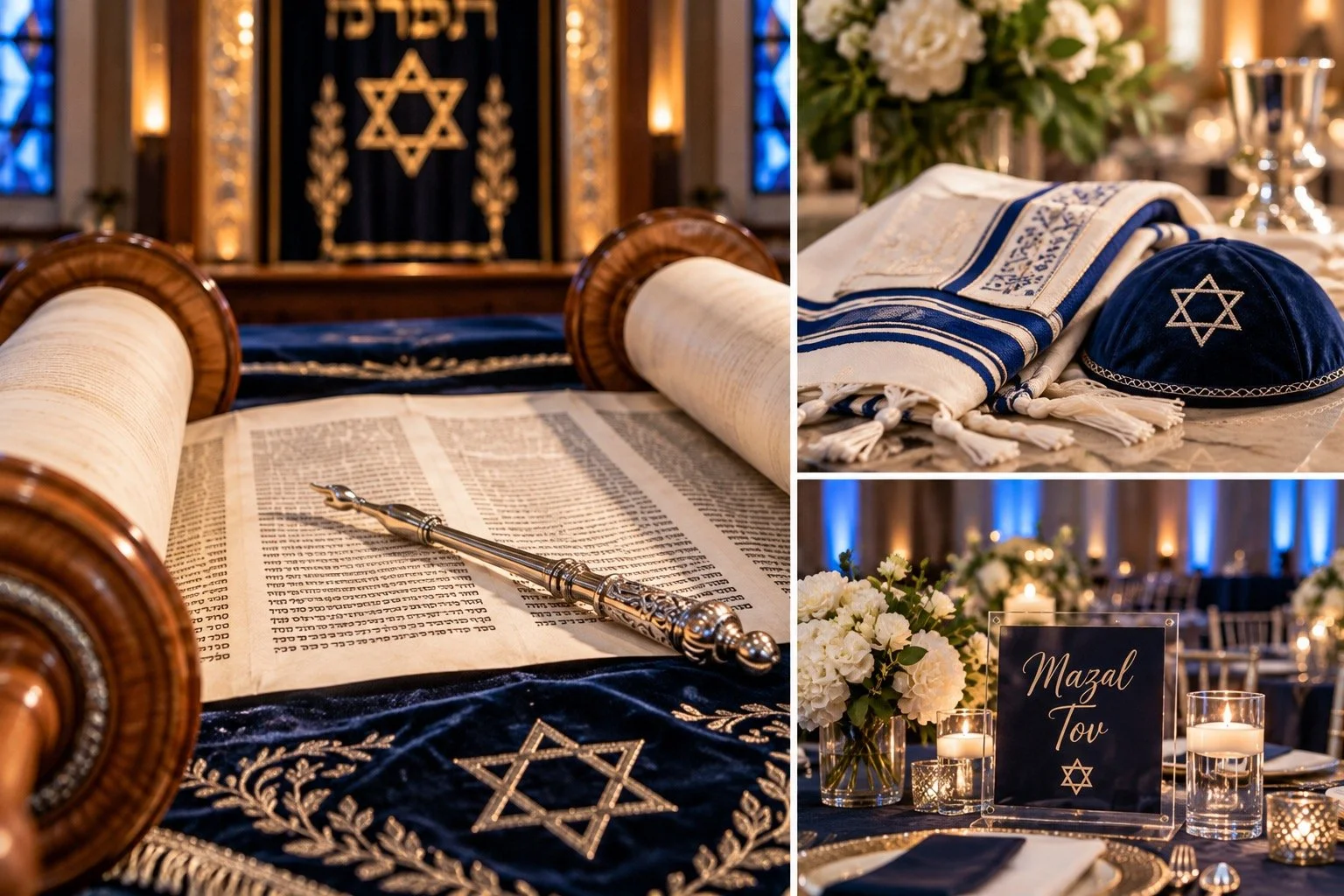
Planning clothing for a Bar or Bat Mitzvah can feel more complicated than dressing for an ordinary family portrait. The child should feel special and recognizable. Parents, siblings, and grandparents need to coordinate without looking identical, while the congregation may have expectations for sanctuary clothing, head coverings, or photography times.
The goal is not to make every person wear the same color. It is to create a family that looks connected while respecting the setting and allowing each person to feel comfortable.
If you are planning Bar or Bat Mitzvah photography in Princeton or Mercer County, here is how I recommend choosing clothing that photographs beautifully and still feels true to your family.
Begin With the Congregation’s Dress and Photography Rules
Before choosing a dress, suit, shoes, or color palette, ask the synagogue or temple what is expected in the spaces where photographs may be created.
Policies vary. One congregation may permit sanctuary portraits on a weekday; another may allow photographs before or after the service. Clothing and head-covering expectations can also differ.
For example, The Jewish Center Princeton’s current B’nai Mitzvah handbook says sanctuary photography is not permitted during Shabbat, and many families arrange portraits during the preceding week. Its guest guidance also addresses worship-appropriate clothing and head coverings.
That is one local example, not a rule for every congregation. Confirm the current policy directly with your own clergy or event contact before finalizing clothing or portrait timing.
Start With the Bar or Bat Mitzvah Child
The child is the center of the photographs, so begin with their clothing before coordinating everyone else.
Consider three things:
what the congregation requires or recommends;
what the child needs for the service or approved portraits; and
what helps the child feel confident and comfortable.
A well-fitted outfit should still allow the child to sit, stand, walk, and move naturally. Check sleeves, hems, waistbands, collars, shoes, and layers that may shift.
If the child will wear a tallit, kippah, head covering, jewelry, or another meaningful item, ask the congregation how and when it should be worn. Sacred or ceremonial items are not styling props; I photograph them within the plan approved by your family and congregation.
The child does not need to look like someone else. A polished portrait can still show their personality.
Coordinate the Parents Around the Child
Once the child’s clothing is selected, use it as the visual anchor for the immediate family.
If the child wears navy, gray, black, cream, or another classic neutral, parents can choose complementary shades rather than repeating the exact color. If the child’s outfit contains a distinctive accent, one parent may echo that color in a tie, scarf, blouse, jewelry, or subtle detail.
Avoid having both parents introduce strong colors that compete with the child. The eye should naturally return to the person celebrating the milestone.
Lay the complete family wardrobe together or take a quick phone photograph. It is easier to notice imbalance before the event than when everyone is already dressed.
Give Siblings a Connected but Individual Look
Siblings should look like part of the same family without appearing to wear a uniform.
Choose clothing within the shared palette, then allow some individuality through texture, shape, or a soft accent. One sibling might wear a solid dress, another a shirt with a jacket, and another a simple knit or blouse that connects to the same tones.
Avoid large logos, neon colors, athletic graphics, or several bold patterns. These details can pull attention away from faces.
Ask older siblings for limited input. Giving them two appropriate choices can reduce resistance while keeping the overall look coordinated.
For younger children, comfort matters more than an elaborate outfit. Avoid stiff fabric, unstable shoes, or accessories needing constant adjustment.
Include Grandparents in the Wardrobe Plan
Grandparents are often part of the most meaningful family combinations, yet they are sometimes told only to “wear something nice.” A little more guidance helps them feel included and prevents an unexpected color or pattern from dominating the portrait.
Send grandparents the palette and a photograph of the immediate family’s clothing. Ask them to coordinate rather than copy the child.
Comfort and mobility deserve special attention. Shoes should feel secure, and clothing should allow walking, standing, or sitting without frequent fixing.
If a grandparent uses a mobility aid, do not treat it as something that automatically needs to be hidden. Tell me in advance so we can plan respectful, comfortable groupings.
Choose a Small, Flexible Color Palette
A useful palette usually includes two or three main neutrals and one or two accents.
Possible combinations include:
navy, soft gray, cream, and muted blue;
black, charcoal, ivory, and a jewel-tone accent;
taupe, deep green, cream, and warm brown;
burgundy, navy, soft beige, and gold details; or
dusty blue, medium gray, white, and a darker blue accent.
These are examples, not rules. The right colors depend on the child’s clothing, season, congregation, reception design, and your family’s style.
White can photograph beautifully, but several very pale outfits may create a bright area that competes with the child. Balance light colors with medium or darker tones.
Use Patterns and Texture Carefully
Patterns are not forbidden. They simply need room to breathe.
One subtle pattern can add interest when others wear mostly solids. Several plaids, florals, stripes, and bold prints together can feel busy.
Texture often photographs more quietly than pattern. A refined knit, velvet jacket, lace detail, or silk blouse can add depth without pulling attention from faces.
Watch for fabrics that wrinkle quickly or reflect strong light. If an outfit looks different under indoor lighting, photograph it near a window and under a lamp before making the final decision.
Decide Whether Anyone Will Change for the Party
Some families use the same clothing for portraits and the celebration. Others plan worship-appropriate clothing for approved synagogue portraits and a second look for the reception.
Either approach can work. A change should have a purpose rather than add another task.
Before planning a second outfit, ask:
Is there enough private time and space to change?
Will the photography timeline include both looks?
Does the second outfit allow the child to dance and move comfortably?
Who will keep track of shoes, accessories, and garment bags?
Will changing delay family portraits, introductions, or guest time?
When possible, photograph formal family combinations before changing. Party clothing can then support relaxed portraits and candid reception images.
Think About the Venue and Décor Without Matching Them
Family clothing need not duplicate the reception colors; it should simply avoid fighting with them. If the room has dramatic blue lighting, an entirely blue wardrobe may blend in. If décor is colorful, a calmer family palette may photograph better.
Share photographs or a design board with me when available. I can consider the backdrop, room lighting, and portrait locations while helping you evaluate clothing choices.
The current event-photography experience includes a combination of guided portraits, candid moments, and celebration details. Clothing should support all three—not only the formal family lineup.
Prepare the Clothing Before Event Week
Try on complete outfits several weeks before the celebration, including shoes, underlayers, belts, jewelry, and head coverings where applicable. Children grow, tailoring takes time, and online colors may look different beside the other outfits.
During event week:
steam or press clothing;
remove tags and temporary stitching;
clean shoes and eyeglasses;
pack a lint roller and small stain-removal item;
place jewelry and accessories in labeled containers;
bring comfortable backup shoes if appropriate; and
keep any second outfit together in one garment bag.
Assign one adult to check the wardrobe details. The child should not be responsible for remembering every accessory while preparing for such an important day.
Keep the Portraits About the Family
Clothing matters because it supports the photograph, not because it is more important than the people wearing it. A coordinated palette guides attention toward the child and family, while comfort helps people stand close and look natural.
You do not need a family of professional models. I guide posture, hands, spacing, and expressions so everyone knows what to do.
Bar/Bat Mitzvah Family Portraits in Princeton and Mercer County
I photograph Bar and Bat Mitzvah celebrations throughout Princeton, West Windsor, Mercer County, and surrounding Central New Jersey communities.
Local venues and congregations have different portrait locations, access rules, lighting, and dress expectations. Share the congregation, venue, portrait time, family size, and clothing ideas so I can plan respectfully.
If you also want a broader family portrait outside the event, explore my family photography options. The Mitzvah-day plan should remain focused on the milestone and the people who are part of it.
Frequently Asked Questions About Mitzvah Family Photo Outfits
Does everyone need to wear the same color?
No. Choose a small shared palette and coordinate instead of matching exactly. The child should remain the visual center while each family member still looks like themselves.
What should parents wear for Bar or Bat Mitzvah portraits?
Begin with the child’s outfit and congregation requirements. Parents can choose complementary neutrals or repeat a subtle accent without competing with the child.
Can family members wear patterns?
Yes, but use them selectively. One subtle pattern can add interest; several strong patterns in one group can distract from faces and relationships.
Should the child change clothes for the reception?
A change is optional. Consider the schedule, changing space, comfort, and whether both outfits will actually be photographed before adding it to the day.
What should grandparents wear?
Send grandparents the family palette and ask them to choose a comfortable coordinating color. Consider secure shoes, mobility, seating, and clothing that does not require frequent adjustment.
Do synagogue dress rules apply to portrait sessions?
They may. Rules vary by congregation and can depend on the location and timing of the portraits. Confirm directly with your clergy or venue contact before choosing clothing.
Ready to Plan the Complete Portrait Look?
Begin with the congregation’s requirements and the child’s clothing. Then coordinate parents, siblings, and grandparents around a small palette that feels comfortable, respectful, and true to your family.
If you are planning a Bar or Bat Mitzvah in Princeton, West Windsor, Mercer County, or nearby Central New Jersey, review my Bar/Bat Mitzvah photography information and contact me with your date, congregation, reception venue, family size, and any clothing ideas you are considering.
I will help you think through how the portrait plan and wardrobe can work together.
— Svetlana
Tiny Moments by Svetlana / Svetlana Boyko Photography
