
Professional Headshot Checklist: What to Wear, Bring, and Update Before Fall Recruiting
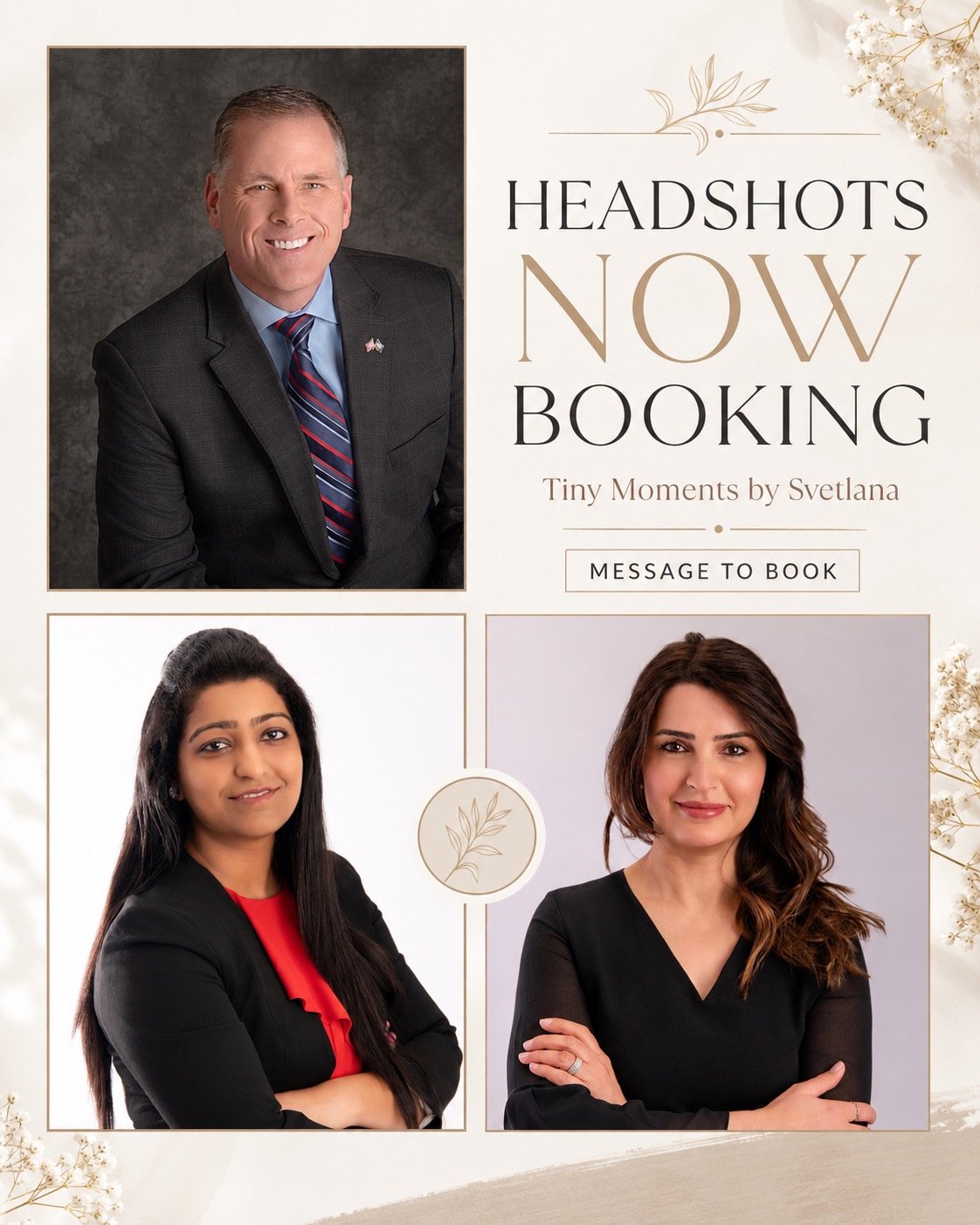
Fall often feels like a fresh professional season. Students return to campus, career fairs begin, and many people realize that the photograph on their LinkedIn profile or business website no longer looks like them.
If you are preparing for a new role, internship search, career change, or updated company profile, a professional headshot gives you one polished image to use consistently. It should still look like you—prepared and confident.
My West Windsor studio is close to Princeton. I guide clients through posing and expression, so you do not need to arrive knowing what to do in front of the camera.
This checklist explains what to wear, bring, and decide before your session.
First, Decide Where You Will Use Your Headshot
Before choosing an outfit, think about where the finished photograph needs to work. A headshot for LinkedIn may also appear on a company website, speaker biography, email signature, or professional directory. Identify your main purpose and the impression you want the image to create.
Ask yourself:
Is my field traditional, creative, technical, academic, medical, or client-facing?
Do I usually meet people in business-professional or business-casual clothing?
Do I want the image to feel warm and approachable, polished and formal, or somewhere in between?
Will the photograph be a small LinkedIn image or a larger website portrait?
Share those answers before we begin. They help me guide your expression, framing, and outfit choice.
What to Wear for a Professional Headshot
Start with an elevated version of what you normally wear professionally.
In a formal field, that may mean a suit, blazer, structured dress, or collared shirt. In a relaxed industry, a simple blouse, knit top, open-collar shirt, or clean jacket may feel more natural. Look prepared without dressing as a different person.
Solid colors usually keep the focus on your face. Navy, charcoal, cream, soft blue, muted green, burgundy, and other quiet colors can photograph well. Choose what suits your coloring, style, and layers.
Try to avoid:
large logos or visible brand names;
very busy patterns;
tiny high-contrast stripes or checks;
clothing that pulls, gaps, bunches, or needs constant adjustment; and
a neckline or jacket you do not feel comfortable wearing.
Fit matters more than the label. A simple, well-fitting top often photographs more professionally than an expensive piece that makes you feel stiff or distracted.
Bring One or Two Useful Alternatives
You do not need to carry an entire closet into a headshot session. A few intentional options are much more helpful.
Consider bringing:
your primary shirt, blouse, dress, or jacket;
one alternate top in a different color or neckline;
a blazer or cardigan that can be added or removed;
a second tie, if you wear one;
simple jewelry options; and
the glasses you normally wear for work.
Place clothing on hangers for the drive when possible. Before leaving home, check the shoulders and neckline for lint, makeup, pet hair, and loose threads. A small lint roller is useful, especially with dark clothing.
More choices are not always better. Bring the options that match your actual professional life, and I can help you decide which combination reads most clearly on camera.
Coordinate Layers Without Creating Distractions
Layers give us easy variety. A blazer over a simple top may feel formal; removing it can make the next image more relaxed. Use enough contrast that the layers do not disappear into one another. Keep jewelry simple, and leave out anything that twists, reflects strongly, or needs constant straightening.
Keep Hair and Makeup Recognizable
A professional headshot should not surprise the people who meet you after seeing it online.
Wear your hair in a way that feels familiar and professional to you. If you are planning a haircut or color appointment, avoid making a major last-minute change unless that is genuinely the new look you want documented. Give yourself enough time to see how the style feels and how you prefer to wear it.
For makeup, polished and recognizable is usually the safest direction. You can define the eyes, even the skin tone, and add enough color that your features do not feel washed out, but you do not need to transform your face. If you rarely wear makeup, you do not have to arrive in a dramatic style simply because a camera is involved.
Bring the small items you normally use for touch-ups—a comb or brush, lip color, powder, or tissues—rather than buying unfamiliar products just for the session.
If You Wear Glasses, Bring Them
If people normally see you in glasses, they are part of your professional appearance. Bring the pair you wear most often.
Clean the lenses carefully before your session and check the frames for smudges. If you own more than one pair and regularly alternate between them, you may bring both. I will work with your position and the studio lighting to create a clear, natural portrait.
Do not feel that you must remove your glasses just because reflections can sometimes happen. The more important question is whether the finished headshot should look like the person coworkers, clients, or recruiters will meet.
Practice the Feeling, Not a Fixed Smile
Many adults tell me they do not know how to pose or that they dislike being photographed. That is completely normal. Headshot sessions are not supposed to depend on your modeling experience.
You do not need to practice one frozen smile in the mirror. Instead, think about the qualities you want the portrait to communicate: capable, calm, warm, direct, creative, trustworthy, or approachable.
During the session, I guide your shoulders, chin, posture, and expression. Small adjustments can make a large difference. We can create a little variety—from a fuller smile to a more composed expression—without making the photographs feel like different versions of you.
The best headshot is not always the image with the biggest smile. It is the one where your expression fits your work and still feels natural.
Check the Small Details Before You Leave Home
Headshots bring attention to the face and upper body. Check collars, lapels, buttons, glasses, necklaces, loose threads, pet hair, and makeup marks. Make sure the outfit stays comfortable when you sit and stand. Give yourself a little extra travel time so you can settle and talk through the image before we begin.
Think About Cropping and Consistency
LinkedIn, company directories, and websites may display the same photograph in different shapes. Tell me which platform matters most so we can plan the framing. If you represent a business, the level of formality should also feel compatible with the way the company presents itself. Keep the original high-resolution file after delivery instead of repeatedly saving a small social-media copy.
When Should You Update a Professional Headshot?
There is no single calendar rule. Update your image when it no longer represents how you look or work—for example, after a meaningful change in hairstyle, glasses, role, industry, or personal brand, or when you launch a website or begin speaking publicly.
If you have a firm deadline—such as an application, website launch, conference, or career event—ask about scheduling and current delivery timing before relying on a specific date. Planning early leaves room to select your finished image and update each platform carefully.
A Simple Headshot Bag Checklist
For most people, the final packing list is short:
primary professional outfit;
one alternate top or layer;
everyday glasses, cleaned;
simple accessory options;
comb or brush;
familiar touch-up products;
lint roller; and
notes or screenshots showing where the headshot will be used.
You do not need complicated props or an unfamiliar wardrobe. You need clothing that fits, a clear purpose for the image, and a photographer who will guide you.
Professional Headshots Near Princeton and West Windsor, NJ
Early September is an especially practical time to review your professional image in the Princeton area. Local recruiting events, networking conversations, interviews, and fall business planning are beginning, but a headshot is useful well beyond one career fair.
Students and recent graduates may need an image for LinkedIn or a professional profile. Established professionals may be updating a company website, preparing for a new role, or replacing an outdated photograph. Business owners may need a portrait that feels consistent across their website, social profiles, press materials, and directories.
My appointment-based studio is in West Windsor, close to Princeton and convenient for clients throughout Mercer County. Current headshot sessions are relaxed and guided, with direction for posing and expression so you do not have to figure it out alone.
Frequently Asked Questions About Professional Headshots
How long does a headshot session take?
My current headshot listing describes sessions as approximately 20–40 minutes. Confirm the current session details when you book, especially if you have a deadline or a specific use in mind.
What colors look best in a professional headshot?
Solid, quiet colors are often a reliable starting point because they keep attention on your face. Choose a color that suits you and fits your professional setting rather than following one universal rule.
Should I bring more than one outfit?
One primary outfit plus an alternate top or removable layer is usually enough. The goal is useful variety, not a complete wardrobe change every few minutes.
Can I wear glasses in my headshot?
Yes. If glasses are part of your everyday professional appearance, bring the pair you normally wear. Clean the lenses and frames before arriving.
Will you help me pose?
Yes. My current headshot experience includes guidance with posing and expression. You do not need to know how to position your shoulders, hands, or chin before you arrive.
How far ahead should I schedule before a career event or website launch?
Schedule as early as you reasonably can, then confirm current availability and delivery timing before planning around a fixed deadline. This gives you time to choose an image and update the places where it will appear.
Ready for a Headshot That Still Feels Like You?
A professional portrait should look polished without feeling stiff or unfamiliar. You should recognize yourself in it—and feel comfortable using it when you introduce yourself online or step into a new professional opportunity.
If you need an updated headshot near Princeton, West Windsor, or elsewhere in Mercer County, explore my current professional headshot information and contact me with the way you plan to use the image and any deadline you are working toward.
I will guide you through the rest.
— Svetlana
contact me
Tiny Moments by Svetlana / Svetlana Boyko Photography
